Real Gardeners Cost Guide for Biggin Hill BR6
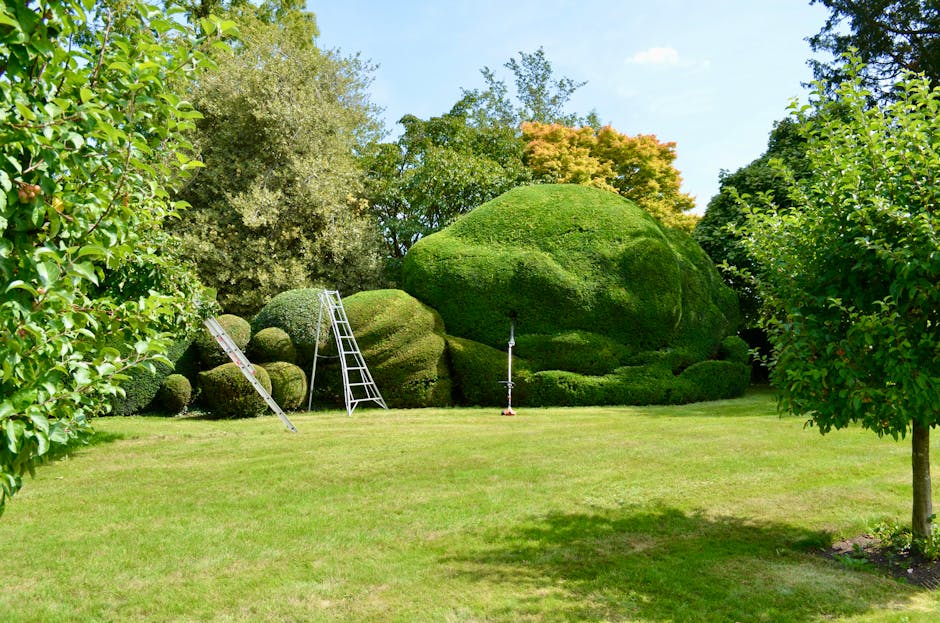
If you have ever looked at your garden after a wet week in Kent and thought, "Right, where do I even start?" you are not alone. The Real Gardeners Cost Guide for Biggin Hill BR6 is here to make the money side of gardening far less mysterious. Whether you need a one-off tidy-up, regular maintenance, hedge work, lawn care, or a bigger outdoor refresh, knowing what affects the price helps you plan properly and avoid nasty surprises.
Biggin Hill gardens can be wonderfully varied: neat front plots, sloping lawns, mature hedges, busy family spaces, shaded corners, and the occasional "I'll deal with that later" patch that has, well, become a small wilderness. This guide breaks down typical cost drivers, how quotes are usually built, when professional help makes the most sense, and how to get the best value without cutting corners.
In plain English, this is a practical buying guide for homeowners, landlords, and anyone who wants a tidy, healthy garden without wasting time or money. And if you already know your garden needs a bit of rescuing, that's fine too. We'll cover the sensible next step.
Why Real Gardeners Cost Guide for Biggin Hill BR6 Matters
Garden work often looks straightforward from the patio door. Then you step outside and notice the hedge that has grown a bit too confidently, the lawn that needs proper care, and the borders that are holding on with weeds and wishful thinking. That is usually where costs start to matter.
A clear cost guide helps you do three things well: compare like for like, understand what you are paying for, and avoid booking the wrong type of job. To be fair, many people do not overpay because a gardener is "too expensive"; they overpay because the job was never defined properly in the first place.
For Biggin Hill BR6 properties, this is especially useful because gardens can vary a lot in size, access, and upkeep needs. A compact town garden with easy side access is a different job from a larger, older plot with mature shrubs, awkward corners, and a few hidden surprises. Cost is not just about time on site. It is about effort, disposal, equipment, risk, and how much problem-solving the job needs.
It also matters because garden maintenance is one of those jobs that compounds. Leave it too long and the next visit takes more time, more labour, and often more disposal. Keep on top of it, and the work stays smaller, steadier, and cheaper. That is the bit people usually learn the hard way.
How Real Gardeners Cost Guide for Biggin Hill BR6 Works
Most gardening prices are built from a mix of job size, complexity, frequency, and extras. A quote is rarely just "time in the garden." It often includes preparation, travel, machinery, fuel, labour, waste removal, and whether the work needs special handling. For example, routine garden maintenance is usually priced differently from a one-off clearance because the condition and predictability of the task are different.
Here is the basic logic behind most quotes:
- Scope: What exactly needs doing? Grass cutting, hedge trimming, weeding, pruning, leaf clearance, patio cleaning, or a combination?
- Condition: Is the garden kept fairly tidy, or is it a recovery job?
- Access: Can tools and waste move through the property easily?
- Frequency: One-off visit, fortnightly upkeep, monthly maintenance, or seasonal work?
- Waste: Does the team need to remove green waste, branches, or heavy debris?
- Equipment: Standard hand tools, mowers, hedge cutters, pressure cleaning equipment, or specialist kit?
The real difference between a sensible quote and a vague one is detail. A good gardener usually wants to know what your priorities are: do you want the whole space reset, or just a few high-impact jobs handled first? A one-hour tidy-up and a full-day clearance are not the same thing, even if both start with a cup of tea and a walk round the garden.
If you are planning around a fixed budget, it helps to think in layers. First, decide what must be done now. Second, decide what can wait. Third, ask what can be bundled together to reduce repeat visits. That approach is echoed in practical planning advice like this budget-friendly garden maintenance plan, which is a sensible way to keep spending under control across the year.
Key Benefits and Practical Advantages
There is a reason people keep returning to professional garden help instead of trying to catch up every weekend themselves. The value goes beyond neat borders and a short lawn. Done properly, it saves time, reduces stress, and stops small issues turning into expensive ones.
- More predictable spending: When you understand the job scope, you can plan monthly or seasonal costs more confidently.
- Better results: Professional work tends to be more consistent, especially for hedges, lawn edges, and pruning.
- Less waste: A tidy, well-planned visit often avoids repeated labour on the same problem.
- Healthier growth: Regular care supports lawns, shrubs, and planting beds far better than occasional panic jobs.
- Safer outdoor space: Overgrown paths, slippery patios, and unstable branches become easier to manage early.
There is also a quieter benefit that is easy to underestimate. A garden that is under control feels lighter to live with. You notice it when you open the kitchen door and do not get greeted by a wall of weeds or a patio that looks tired and chalky. That feeling matters.
For some homeowners, the biggest advantage is simple headspace. For others, it is getting the garden presentable for visitors, family gatherings, pets, children, or a sale. Different reasons, same result: a better outdoor space with less faff.
Who This Is For and When It Makes Sense
This guide is useful if you are in any of these situations:
- You want an honest idea of what regular gardening work should cost in BR6.
- You have inherited a garden that needs sorting out before you can enjoy it.
- You are comparing one-off tidy-ups with ongoing care.
- You need help with a specific task such as hedges, lawns, or clearance.
- You want to budget for seasonal work rather than react to emergencies.
It also makes sense if you are a landlord, letting agent, or property owner who needs outdoor areas kept presentable without overcomplicating the job. A garden does not have to be perfect all the time. It just needs a sensible level of care that fits the property and the people using it.
For families, the timing often comes down to safety and usability. If the lawn is patchy, the borders are overrun, or a hedge is blocking light, the garden starts feeling less like a space and more like a task. If you want a softer, more family-friendly layout, ideas from child-friendly garden planning can help you think about safety and practicality at the same time.
If you are working with shade, awkward corners, or a tight layout, it can be smarter to invest in targeted improvements rather than a full overhaul. Small wins add up. They really do.
Step-by-Step Guidance
Here is the most practical way to approach garden costs in Biggin Hill BR6 without getting lost in the weeds, so to speak.
- List the jobs clearly. Write down everything that needs doing, from mowing and edging to hedge trimming, weeding, and waste removal.
- Separate urgent work from nice-to-have work. If something affects safety, access, or plant health, it should go first.
- Measure the space roughly. Even a basic sense of lawn size, hedge length, or border coverage helps with quotes.
- Decide on frequency. Weekly, fortnightly, monthly, seasonal, or one-off? The rhythm of the work changes the cost.
- Ask what is included. Does the price cover clearance, bagging, disposal, or follow-up tidy-up?
- Check equipment needs. Bigger lawns, thick hedges, and overgrown areas often need more than standard hand tools.
- Compare the value, not just the headline number. A lower quote is not always better if it excludes waste removal or leaves a half-finished look.
- Review the plan after the first visit. Once the garden is back in shape, keeping it there is usually cheaper.
A useful way to think about this is to split a garden into zones: lawn, hedging, beds, hard surfaces, and any special features. A quote that treats every zone the same is usually too rough. A more thoughtful quote will recognise that mowing a flat lawn is not the same job as reshaping a hedge or restoring a neglected border.
For many people, regular lawn care and light maintenance are the foundation. If the lawn is the thing that makes the whole place look tired, it is worth paying attention to the basics first. Pages like lawn care support and lawn mowing services show how that work usually sits inside a wider upkeep plan.
Expert Tips for Better Results
After years of seeing garden jobs go smoothly and, occasionally, go a bit sideways, a few patterns become obvious.
- Bundle related jobs. Hedge trimming, border tidy-up, and green waste removal are often more efficient when done in the same visit.
- Do not wait until everything is overgrown. A garden that is allowed to go wild tends to cost more to recover. This one is painfully common.
- Ask for prioritised work. If your budget is tight, ask what will give the biggest visual and practical improvement first.
- Plan seasonally. Spring and autumn usually need more attention, while winter may be lighter but still important for protection and structure.
- Think about the long game. A little routine care often beats a big panic job every six months.
One particularly practical tip is to match the service to the problem. For example, if your front garden is mostly neat but the hedges are pushing into the path, a focused hedge job may be the best spend rather than booking a broad tidy-up. If your patio has gone dull and mossy, a separate patio cleaning task may give the whole space a lift faster than planting more flowers ever could.
And if you are tempted to DIY everything because "it can't be that hard," well, sometimes it is. Especially with tall hedges, awkward pruning, or anything near walls, fences, or glass. No shame in outsourcing the tricky bits.
Common Mistakes to Avoid
Most garden budgeting problems come from a few simple mistakes. The good news is that they are all avoidable.
- Getting a vague quote. If the job is not clearly defined, the price can drift.
- Ignoring waste removal. Green waste, branches, and bulky debris can make a big difference to the final cost.
- Choosing by price alone. Cheap quotes can become expensive if work has to be redone.
- Leaving hedges too long. Neglected hedges often take more time and more effort to restore.
- Forgetting access issues. Narrow side gates, difficult parking, or awkward storage can affect job time.
- Not planning follow-up work. A one-off clearance is useful, but without maintenance the garden slides backwards.
Another common mistake is expecting every part of the garden to be fixed in one go. That sounds satisfying, but it is not always the smartest use of money. In many cases, the better plan is to sort the main structure first, then come back for planting, styling, or softer improvements later. If you are trying to revive a tired outdoor space, a phased approach can be far more realistic, as explored in forgotten garden makeovers.
Also, watch the seasonal trap. People often book work only when the garden is already looking rough. That is usually the most expensive moment to start.
Tools, Resources and Recommendations
You do not need to become a gardening expert overnight. But knowing the main service types helps you ask better questions and compare quotes properly.
| Service type | Best for | Typical value point | Watch out for |
|---|---|---|---|
| Garden maintenance | Regular upkeep, borders, general tidying | Keeps the space under control and predictable | Scope creep if tasks are not listed clearly |
| Lawn mowing / lawn care | Lawns that need regular shaping and health support | Good visual impact for modest spend | Assuming mowing alone fixes poor turf health |
| Hedge trimming | Privacy, shape, light, and boundary control | Sharpens the whole garden's appearance | Overgrown hedges can be slower and pricier |
| Patio cleaning | Mossy, stained, or dull hard landscaping | Fast refresh for outdoor use areas | Surface type and condition matter a lot |
| Landscaping | Layout changes, larger improvements, redesigns | Good for long-term transformation | Needs clear brief and realistic budget |
If you are trying to keep costs sensible, a good starting point is to focus on tasks that improve both appearance and upkeep efficiency. For instance, a well-chosen hedge can give privacy and structure at once. If that is a priority, this guide to fast-growing privacy hedges is useful background before you commit to planting or trimming plans.
For shady or tricky spots, the answer is not always more lawn. Ground covers, climbers, and mixed planting can sometimes reduce maintenance while making the space look fuller. A practical reference is ground cover planting ideas, especially where bare soil keeps turning into a weed problem.
If you enjoy herbs, containers, or low-maintenance edible planting, you can also make a small garden earn its keep a bit more. That sounds a bit dramatic, but it is true. A space that does more for you is often easier to justify financially.
Law, Compliance, Standards, or Best Practice
For most domestic gardening jobs, the main concern is not legal complexity but sensible best practice. Still, there are a few things worth keeping in mind.
Insurance and safety matter. Any professional working on your property should operate with appropriate care, sensible equipment use, and proper risk awareness. That is especially relevant for ladder work, powered tools, tree-related tasks, and jobs involving slippery surfaces or uneven ground. It is reasonable to ask how a company approaches safe working, and pages such as health and safety guidance and insurance and safety information are the sort of trust signals a careful customer should look for.
Waste handling should be clear. If a job creates green waste, branches, soil, or other debris, it should be discussed in advance. Good practice is to know whether removal is included or charged separately. No one likes the mystery pile at the end.
Terms and payments should be transparent. Before agreeing to work, it helps to understand scheduling, deposits if any, cancellation expectations, and how payment is handled. A clear approach reduces misunderstandings and keeps things professional. You can also check company policies such as payment and security and terms and conditions if you want that extra reassurance.
Where specialist work is involved, especially tree surgery, boundary issues, or work near structures, best practice becomes even more important. A thoughtful gardener will know when a job needs specialist attention rather than guessing. That restraint is a good sign.
Options, Methods, or Comparison Table
If you are unsure how to spend your budget, this comparison helps frame the choice between one-off work and regular support.
| Approach | What it means | Pros | Cons |
|---|---|---|---|
| One-off tidy-up | A single visit to restore order | Great for quick impact and immediate relief | Condition can slip again fairly quickly |
| Regular maintenance | Routine visits to keep things controlled | More predictable, often better value over time | Requires commitment and scheduling |
| Seasonal visits | Work done at key times of year | Useful for pruning, clearing, and preparation | Less effective for fast-growing gardens |
| Project-based improvement | Targeted upgrades to specific parts of the garden | Good for bigger visual change | Can be more expensive upfront |
For many Biggin Hill gardens, the sweet spot is a mix: one stronger reset visit, then lighter ongoing maintenance. That approach keeps the space from tipping back into chaos. And yes, gardens do that quickly if you give them half a chance.
Case Study or Real-World Example
Here is a realistic example based on a common type of BR6 garden job.
A homeowner has a medium-sized rear garden with a lawn, two hedges, weedy borders, and a patio that has gone a bit green. They want the garden ready for late spring gatherings. The first instinct is to ask for "a full tidy," but that is too vague. A better plan is to break the job into parts: lawn mowing, hedge shaping, weed control, border tidy-up, and patio cleaning.
Once that is done, the quote becomes easier to understand. The lawn and borders are routine work. The hedges require more skill and time. The patio needs separate cleaning equipment and attention to surface condition. Waste removal may be needed, and if the hedges have been left too long, that adds work too. Nothing mysterious, just detail.
The real win comes after the initial visit. The homeowner then switches to a lighter maintenance schedule. That means less labour per visit, better-looking results, and a garden that stays usable through the season instead of collapsing back into "I'll sort it next weekend." We have all heard that line before.
If the garden has awkward slopes, poor light, or limited structure, small design choices can help a lot. In some cases, better seating, climbers for shade, or strategic planting make the space feel bigger and calmer without major build costs. Practical design content such as comfortable seating ideas or shade-friendly evergreen climbers can be surprisingly helpful when you are shaping a real-world budget.
Practical Checklist
Use this before requesting garden work or comparing prices.
- List every task you want done.
- Mark urgent jobs separately from cosmetic ones.
- Estimate garden size and access constraints.
- Decide whether you need a one-off visit or ongoing care.
- Ask whether waste removal is included.
- Check if the quote covers tools, labour, and finish work.
- Consider whether lawn care, hedge trimming, or patio cleaning should be grouped.
- Ask about insurance, safety, and working practices.
- Review payment terms before work begins.
- Plan the next maintenance date while the garden is already in good shape.
Quick takeaway: the cheapest quote is not always the best value, and the best garden result usually comes from clear scope, good timing, and honest priorities.
Conclusion
The smartest way to think about garden pricing in Biggin Hill BR6 is not "How little can I spend?" but "What do I need this space to do for me?" That shift changes everything. It helps you choose the right level of work, avoid pointless extras, and invest where the result will actually last.
A well-managed garden does not have to be expensive, but it does need a plan. Start with the essentials, understand what drives the cost, and keep the work consistent enough that the garden never gets away from you. That is where value lives.
If your garden is ready for a proper reset or you simply want a clearer idea of what your next visit should cost, take the time to ask for a detailed quote and compare it carefully. Small differences in scope make a big difference to the final bill. Always have a close look, honestly.
Get a free quote today and see how much you can save.
Frequently Asked Questions
What does a garden cost guide actually help me with?
It helps you understand what affects pricing, compare quotes fairly, and decide which gardening jobs are worth doing first. That is useful whether you need a one-off tidy or ongoing upkeep.
Why do gardening prices vary so much in Biggin Hill BR6?
Prices vary because gardens are rarely identical. Size, access, condition, waste removal, hedge height, lawn health, and the amount of labour all influence the final cost.
Is a one-off garden tidy-up cheaper than regular maintenance?
Usually, yes for the immediate visit. But regular maintenance often gives better value over time because the garden stays easier to manage and does not need major recovery work so often.
What should be included in a gardening quote?
A proper quote should explain the tasks included, labour, time expected, waste removal if relevant, and any extra charges for specialist equipment or unusually heavy work.
How can I reduce the cost of garden work without cutting quality?
Be specific about priorities, bundle related jobs, keep on top of maintenance, and avoid leaving the garden until it is badly overgrown. A tidy garden is simply cheaper to maintain.
Do I need regular lawn care, or is mowing enough?
Mowing helps, but lawn care goes further. If the grass is thin, patchy, weedy, or stressed, it may need feeding, scarifying, edging, or other treatment beyond a simple cut.
When is hedge trimming worth paying for?
When the hedge is too tall, too wide, blocking light, threatening paths, or needs a crisp shape. Tall or dense hedges can be awkward and sometimes risky to do yourself.
Are patio cleaning services worth the money?
They can be, especially if moss, algae, or staining is making the space slippery or dull. A clean patio often changes how the whole garden feels, quite dramatically.
What should I ask before booking garden services?
Ask what is included, how waste is handled, whether the team has insurance, how payment works, and whether the quote is fixed or based on time. Those questions save hassle later.
Do weather and season affect the price?
They can affect how much work is needed. After storms, winter neglect, or a long wet spell, gardens often need more clearance and more time to restore.
Is it better to book all garden jobs together?
Often, yes, if the tasks are related. Combining mowing, edging, trimming, and tidy-up work can be more efficient than separate visits. But only if the scope is clear.
Where can I learn more about sensible garden planning?
Useful starting points include practical maintenance planning, hedge design, privacy planting, and low-maintenance garden ideas. Those help you make the most of your budget and your space.
How do I know if I should choose maintenance or landscaping?
Choose maintenance if your garden mainly needs control and care. Choose landscaping if you want layout changes, new features, or a bigger transformation. Sometimes the right answer is a bit of both.
For direct help, you can also review the company's approach to pricing and quotes, then decide what level of support feels right for your garden and your budget. A calm plan today usually saves a scramble tomorrow.